How to Recover Lost Voicemail Leads Fast
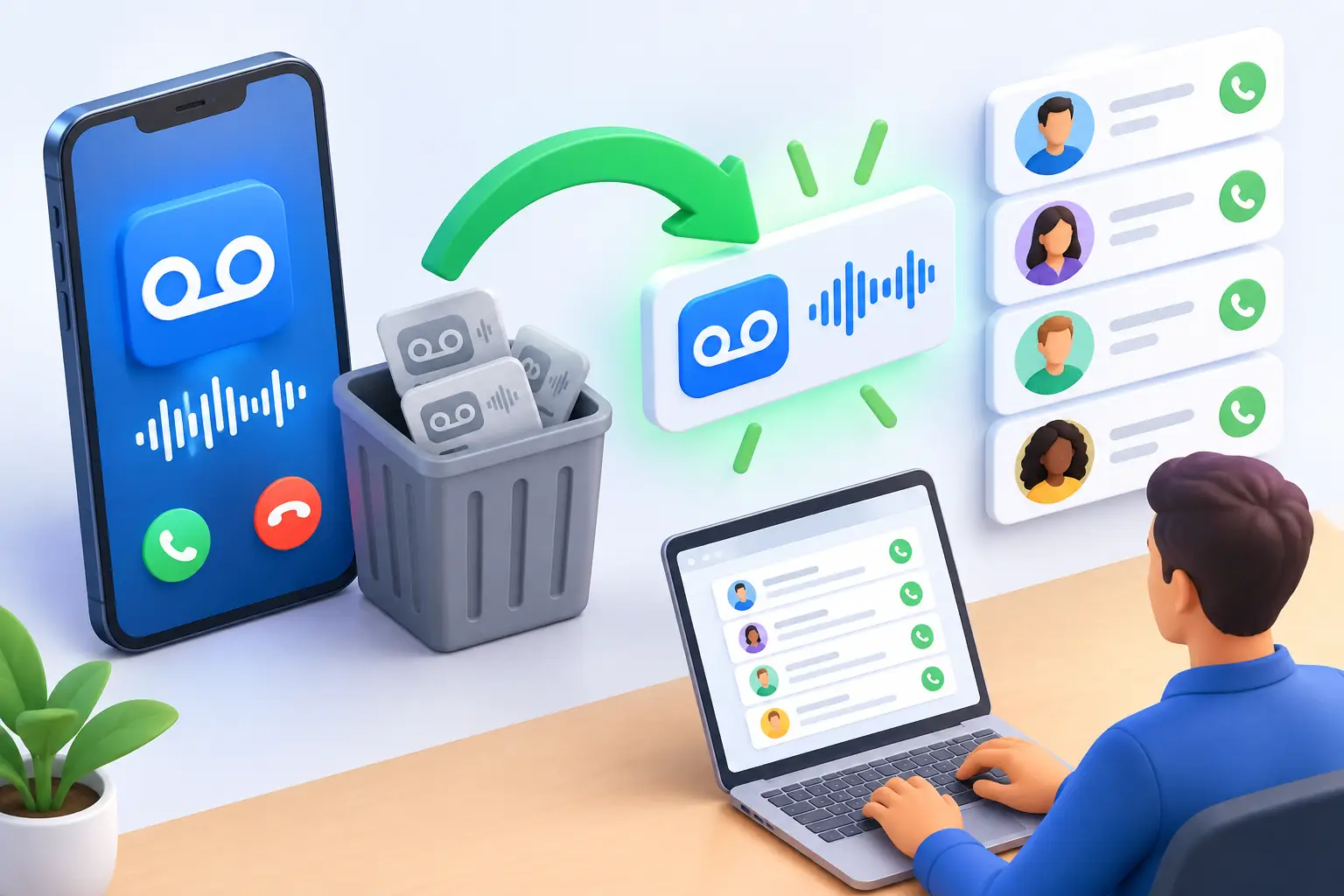
A voicemail is rarely just a message. For a solar installer, it may be a homeowner ready to compare quotes. For a dental practice, it may be a patient trying to book before work. For a tradie, it may be the job that goes to the first business that calls back. To recover lost voicemail leads, treat every missed call as a live sales task with an owner, a deadline and a clear next step.
The hard part is not knowing that callbacks matter. Most teams know. The gap appears when phones ring during site visits, appointments, lunch rushes, after-hours enquiries and the five minutes when everyone is already speaking with customers. Messages pile up, context disappears, and a lead that was hot at 9:10 am is cold by the time someone gets to it at 3:00 pm.
Why voicemail leads go cold so quickly
Speed matters because callers are usually trying to solve a problem now. A blocked drain, a finance question, a vehicle repair or an appointment request is not an enquiry they want to manage for days. If they reach voicemail, many will call the next name in the search results before your team has even heard the recording.
But slow response is only one issue. Voicemails are unstructured. A caller may leave a first name, a mobile number and half an explanation from a noisy driveway. Staff then need to listen, replay, identify the right person, create a CRM record, work out who should respond and call back with limited detail. During a busy shift, that is enough friction for follow-up to slip.
There is also a quality problem. A generic callback of “Hi, you called us” puts the customer through a second round of effort. They have to repeat their address, service need, preferred time and budget considerations. Better recovery starts by making the next interaction useful, not merely fast.
Recover lost voicemail leads with a response window
Set a firm service level for missed calls. For high-intent service enquiries, aim to respond within five minutes during business hours. Outside those hours, send an acknowledgement immediately and offer a practical next step, such as booking a callback or answering basic questions. The exact target depends on your industry and team capacity, but “when we get a chance” is not a process.
Your response window needs a named owner. If reception is responsible, what happens when reception is on another call? If sales owns it, what happens when the rep is driving between jobs? Build an escalation rule so the next available person receives the task when the first person does not act.
A simple recovery process has four stages:
- Capture the missed call and voicemail details in the CRM or lead queue.
- Contact the caller quickly by phone, with SMS as a backup where appropriate.
- Qualify the need, urgency, location, timing and fit for your service.
- Book the job, consultation or next sales step, then record the outcome.
The point is not to create more admin. It is to remove the moments where a lead can disappear between a voicemail notification and a staff member’s memory.
Start with a useful callback
Before calling, staff should have the caller’s number, time of call, message transcript if available, previous contact history and any source information in front of them. That allows a callback to sound prepared: “Hi Sam, it’s Mia from [business]. I’m returning your call about a quote for solar at your place in Werribee. I can help work out the next step now.”
If the caller does not answer, do not leave one vague message and close the task. Leave a brief voicemail, then send a concise SMS where consent and your communication policies allow. Give them an easy reply path: confirm a callback time, book a slot or answer one qualifying question. Keep the message helpful, not pushy.
For example: “Hi Sam, Mia from [business] returning your call about your solar quote. I have a couple of appointment times available this week. Reply with a suitable time and I’ll lock it in.”
Fix the system, not just the backlog
Asking staff to “be better at callbacks” can work for a week. It does not solve capacity. If the same people answer phones, serve customers, prepare quotes, chase suppliers and run jobs, voicemail recovery will always compete with urgent work.
Start by mapping where missed calls occur. Look at after-hours calls, peak times, unanswered calls by day, voicemails without a completed callback and the time from first call to booked appointment. You may find that the problem is not overall call volume. It may be a predictable 7:30 am rush, a lunchtime gap or leads arriving while your team is on the road.
Then decide what should be automated and what needs a person. Routine enquiries can often be answered immediately: opening hours, service areas, availability, appointment changes, basic pricing guidance and initial lead questions. Complex work, distressed customers, unusual technical questions and high-value negotiations should be routed to the right staff member with context attached.
That division protects the human part of the customer experience. Your team spends less time replaying messages and more time advising, inspecting, quoting and closing.
Use AI phone coverage to catch the first call
An AI voice agent can answer when your team cannot, capture the enquiry, ask the qualifying questions you would normally ask and book directly into the right calendar. Rather than asking every caller to leave a message, it gives them a response while their intent is still high.
For a plumbing business, that might mean confirming the suburb, issue, urgency and access details before booking an available technician. For a clinic, it could mean identifying whether the caller is a new or existing patient, checking the practitioner they need and offering appointments. For a property team, it may capture the address, buyer or vendor intent, and preferred inspection time before handing a qualified lead to an agent.
The trade-off is that the agent must be configured around your real workflow. A generic script that cannot handle your service areas, booking rules or escalation criteria will frustrate callers. It should also be clear when a customer is speaking to an automated agent and provide a path to a human where needed.
Sparkssurge is built for this operational hand-off: answering inbound calls around the clock, capturing the detail, booking what can be booked and routing the conversations that need your people. The goal is not to replace the person who knows how to solve the customer’s problem. It is to make sure that person receives a qualified opportunity instead of an old voicemail.
Make every hand-off actionable
Whether a lead starts with an AI call answerer or a traditional voicemail, the staff hand-off should include more than a phone number. Give the assigned person the reason for the call, relevant answers, urgency, preferred contact time, booking status and recommended next action.
Use statuses that match how your team sells: new missed call, contacted, qualified, booked, quote required, quote sent, follow-up due, won or lost. Avoid a single catch-all status such as “callback”. It hides whether the lead was actually recovered or merely acknowledged.
If a quote is required, trigger the quote workflow immediately. If photos, measurements or documents are needed, request them while the customer is engaged. Fast phone response loses value if quote turnaround then takes a week.
Measure recovery as revenue, not activity
Counting returned calls is useful, but it is not the outcome. Track the percentage of missed calls contacted within your target window, qualified leads created from voicemails, appointments booked, quotes issued and sales won. Compare those numbers by source, time of day and team member to find the real bottleneck.
Also review lost reasons. Some callers will be outside your area, unsuitable for the service or simply price shopping. That is normal. The concern is a growing number of leads marked “could not contact” or left without an outcome. Those are often process failures, not genuine sales losses.
A weekly review is enough for many businesses. Listen to a small sample of missed-call recordings, check the quality of callbacks and identify where information was missing. That gives you practical improvements without turning call management into another full-time reporting job.
The next voicemail sitting in your inbox may still be recoverable. Call it with context, give the lead a clear path to book, and then build coverage so the next customer gets an answer the first time they ring.
See it on your own calls
Book a short demo and we will show you how Sparkssurge answers, qualifies and books on your workflow.
Book a demo